Isamu Noguchi was born in Los Angeles in 1904. His father was the Japanese poet Yone Noguchi, his mother the American writer Léonie Gilmour. He spent his childhood in Japan, returned to the United States at thirteen and studied sculpture in New York. In 1927 a Guggenheim Fellowship took him to Paris, where he worked as an assistant to the sculptor Constantin Brâncuși.
Over his career he designed the garden at the UNESCO headquarters in Paris (1956–1958), children's playgrounds, stage sets for the dancer Martha Graham and, from the 1940s, furniture and lighting. In 1985 he opened his own museum, The Noguchi Museum, in Long Island City, New York.
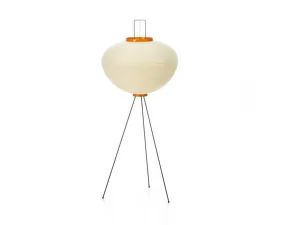
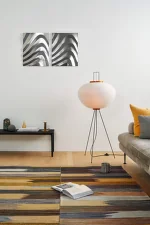
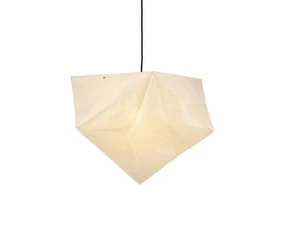
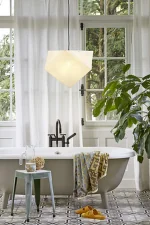
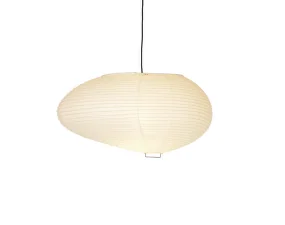
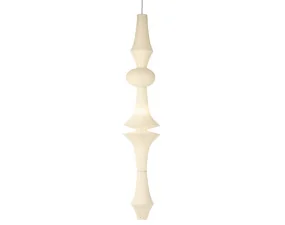
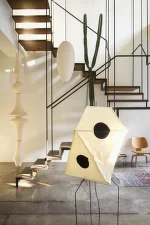
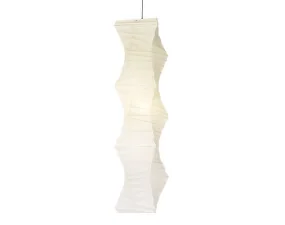
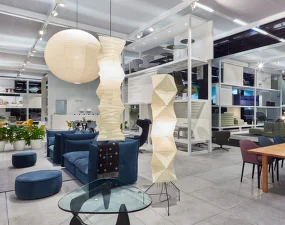
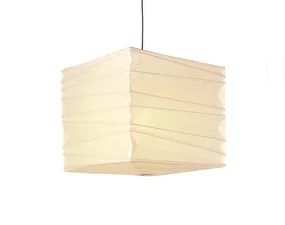
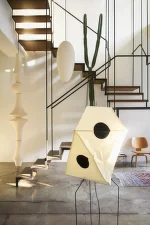
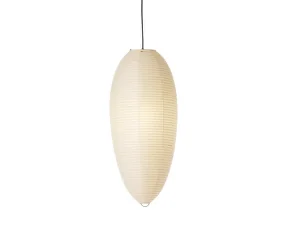
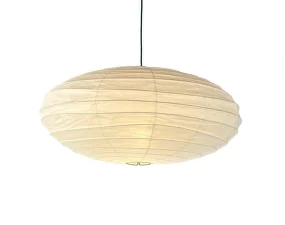
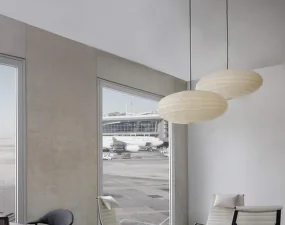
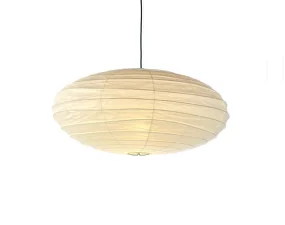
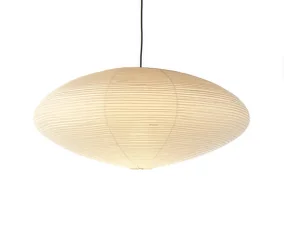
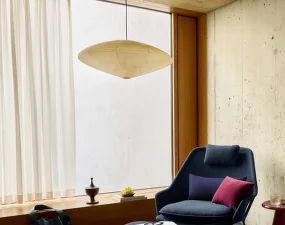
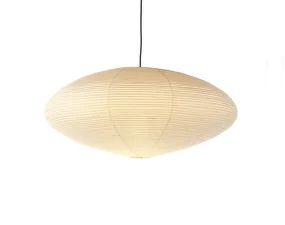
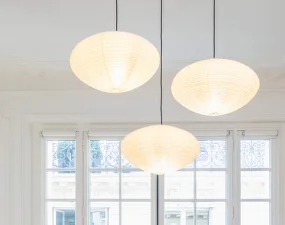
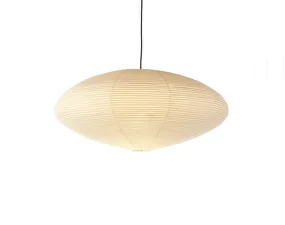
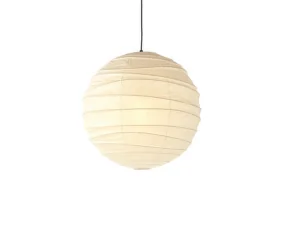
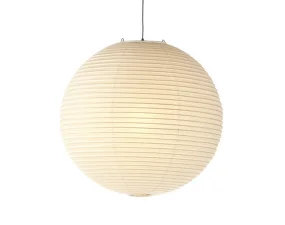
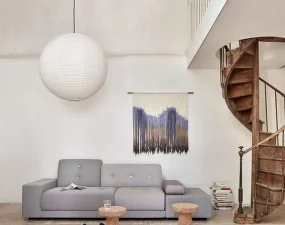
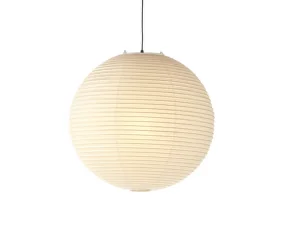
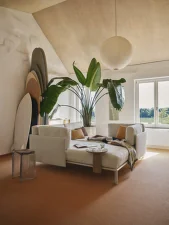
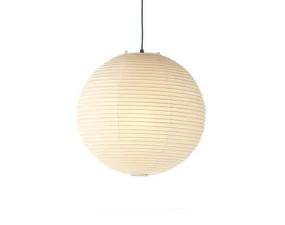
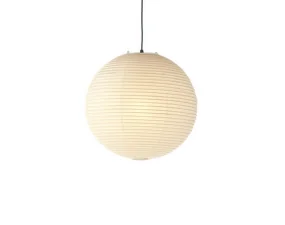
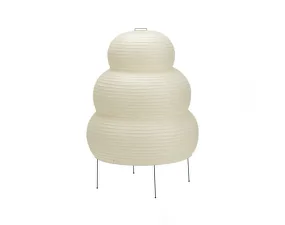
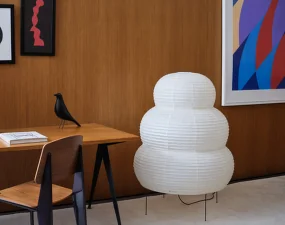
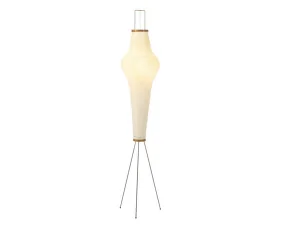
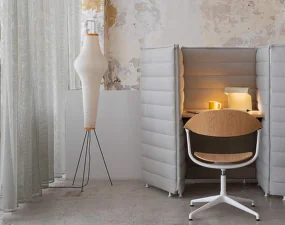
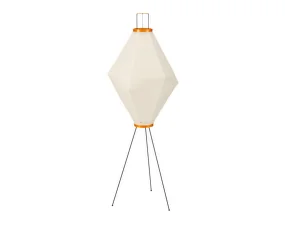
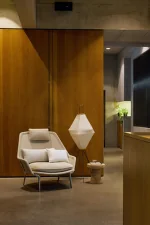
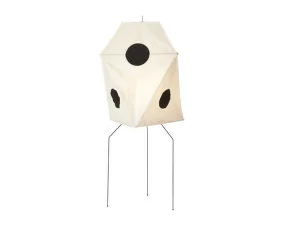
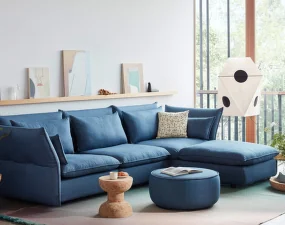
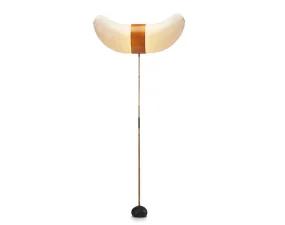
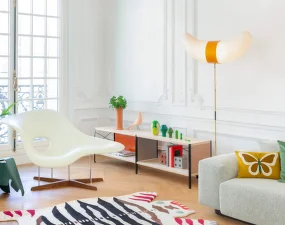
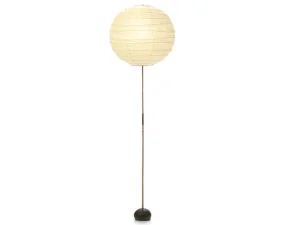
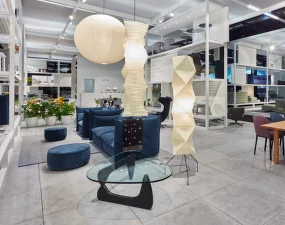
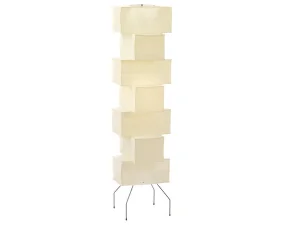
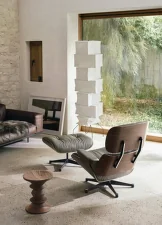
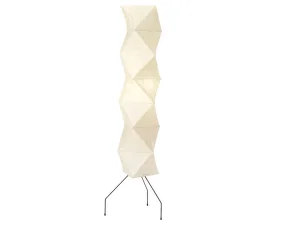
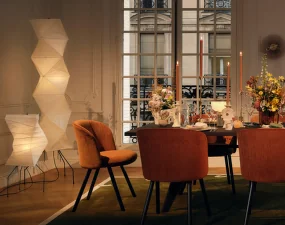
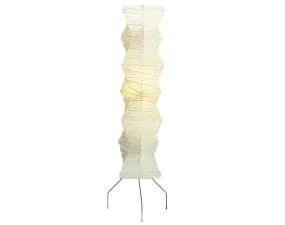
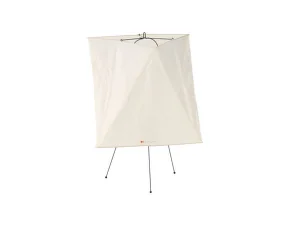
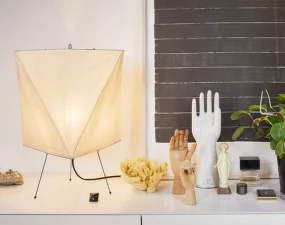
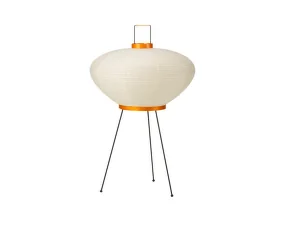
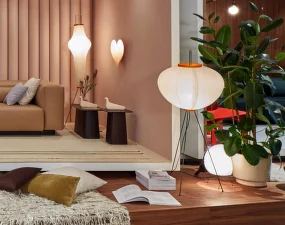
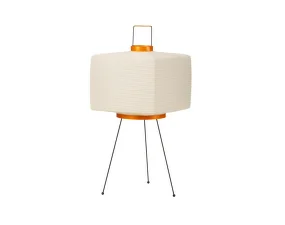
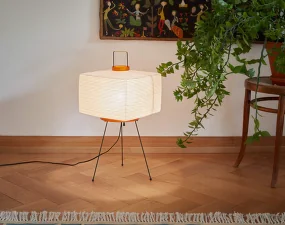
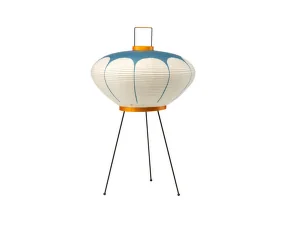
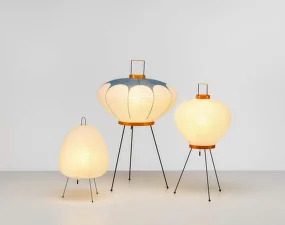
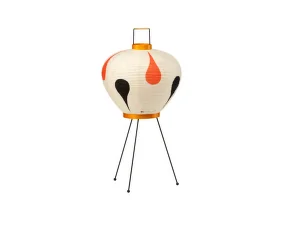
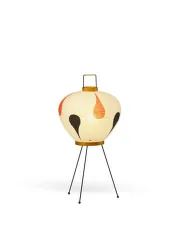
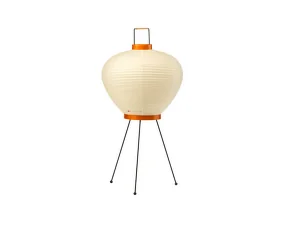
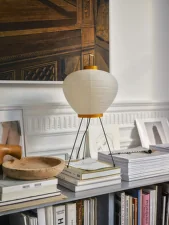
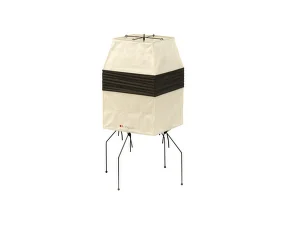
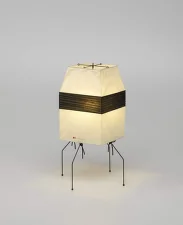
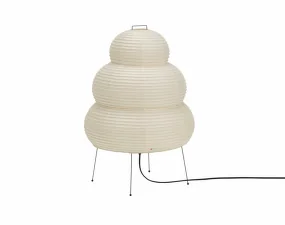
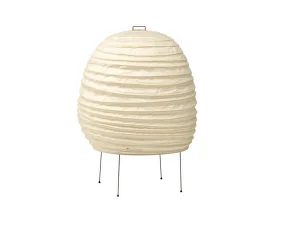
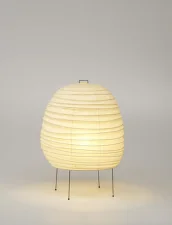
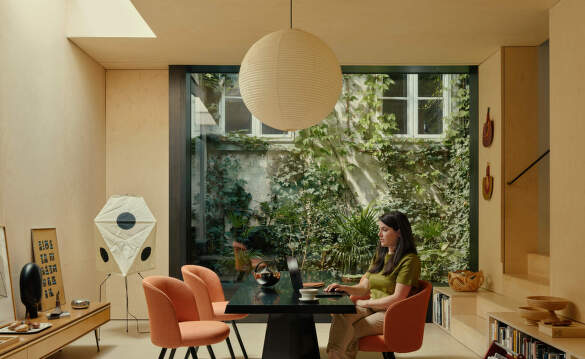
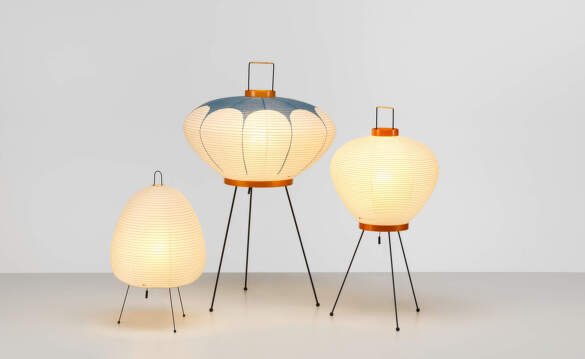
He began designing the Akari lights in 1951 in Gifu, a Japanese town known for its paper lanterns. The shades, made of washi paper from mulberry bark stretched over a bamboo frame, are still made by hand in the Ozeki workshop. In Japanese, akari means both light and lightness. At DesignVille you will find dozens of table, floor and pendant models.
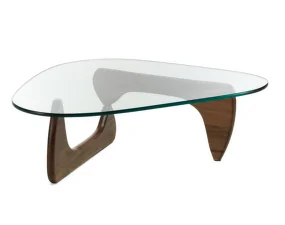
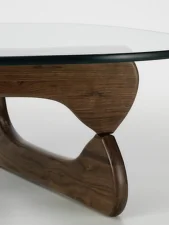
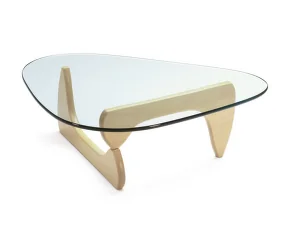
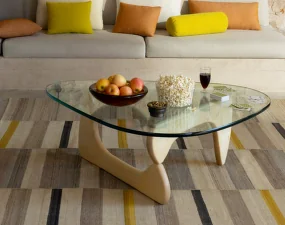
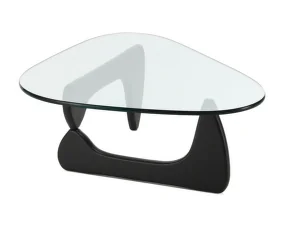
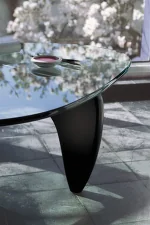
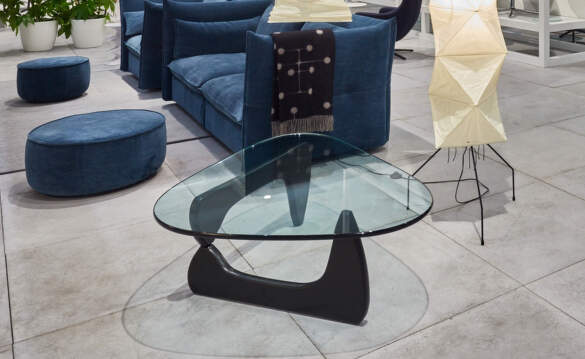
The Coffee Table from 1944 consists of a rounded glass top resting on two identical pieces of solid wood set at a right angle. Herman Miller produced it from 1947, and since 2002 Vitra has made it for Europe in cooperation with the Isamu Noguchi Foundation. The base comes in black ash, maple or walnut.
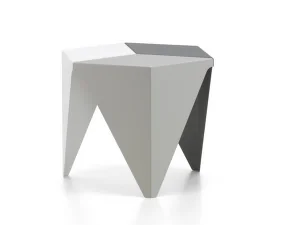
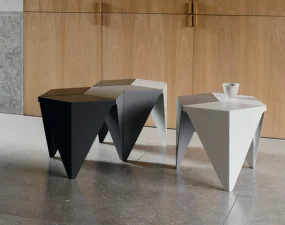
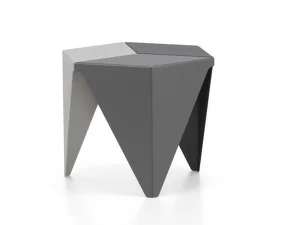
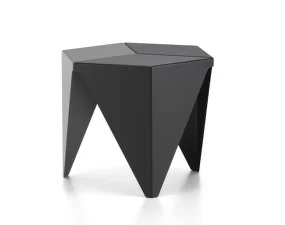
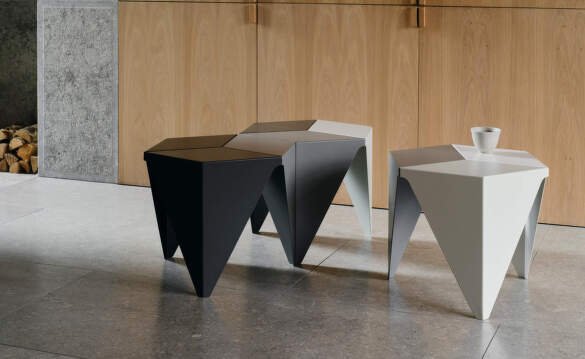
Noguchi designed the Prismatic Table around 1957 for the American aluminium company Alcoa. Folded from sheet aluminium, it recalls origami. It remained a prototype for almost fifty years, and Vitra has produced it since 2002.
More at noguchi.org. Photo: © Vitra (vitra.com)